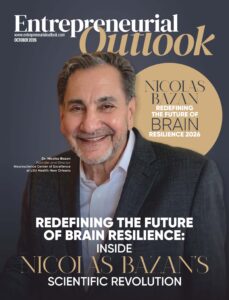
Redefining The Future of Brain Resilience: Inside Nicolas Bazan's Scientific Revolution
In the landscape of modern medicine, certain shifts are incremental—a new molecule tweaked for marginally better bioavailability, a clinical endpoint fractionally met, a traditional pathway slightly optimized. Then there are shifts that reset the coordinates of human longevity entirely.
Entering 2026, the global healthcare sector stands at precisely such a crossroads, driven by a profound conceptual pivot: the transition from fighting neurodegeneration to actively programming neuroresilience. For decades, the dominant pharmaceutical paradigm viewed the aging or traumatized brain through a lens of inevitable decay, focusing late-stage clinical interventions almost exclusively on cellular triage and the clearance of toxic waste. Today, that defeatist model is being systematically dismantled.
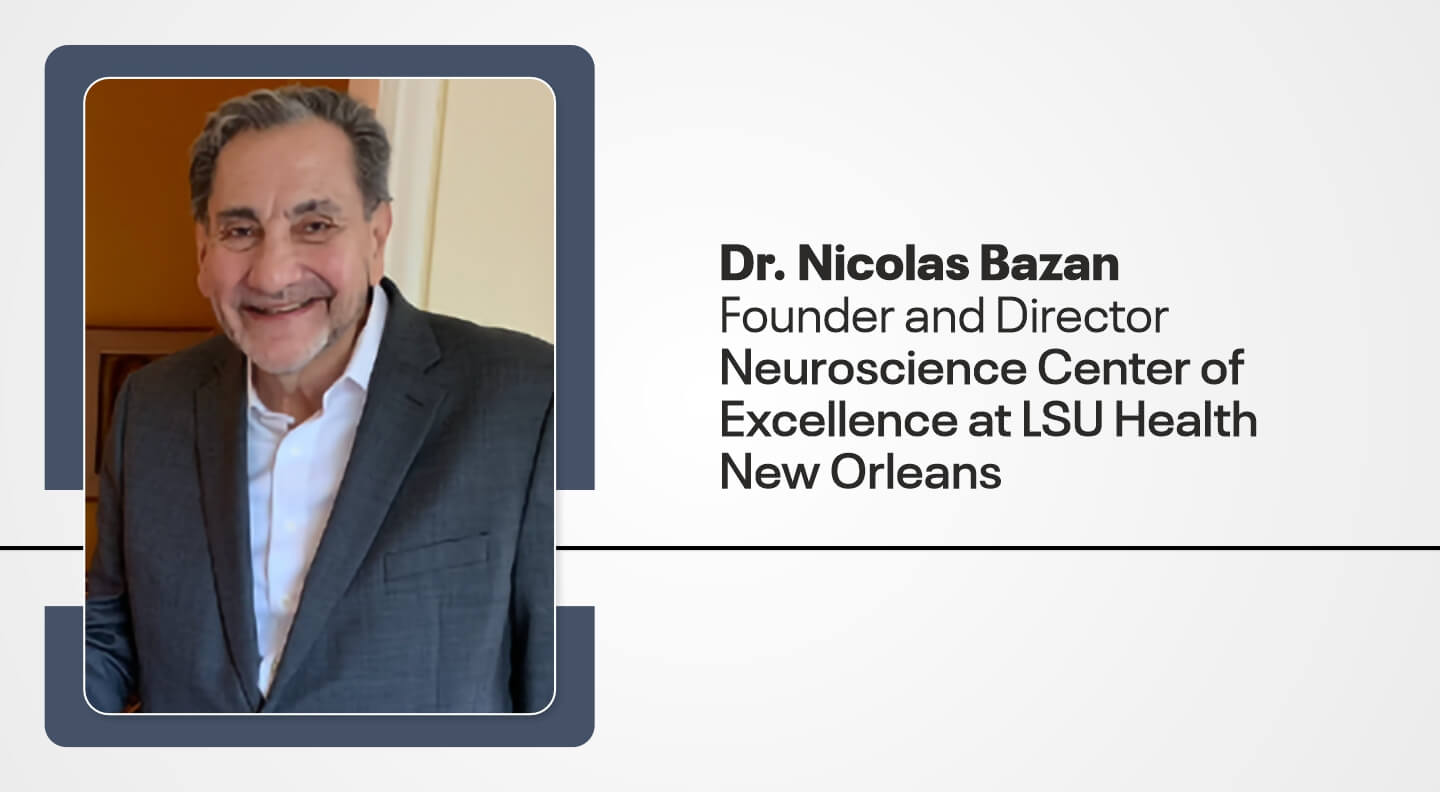
At the vanguard of this intellectual and therapeutic rebellion is Dr. Nicolas Bazan, Founder and Director of the Neuroscience Center of Excellence at LSU Health New Orleans. For over forty years, Dr. Bazan has questioned the foundational dogmas of neurology. Where the industry saw cellular death as an unavoidable consequence of time and trauma, he chose to ask a deceptively simple yet transformative question: Why do brain cells survive?
This inquiry led to the discovery of entirely new classes of lipid messengers, Neuroprotectin D1 (NPD1) and the ultra-long-chain lipid derivatives known as Elovanoids (ELVs). Rather than acting as static structural components, these molecules represent one of the brain’s endogenous command-and-control systems for stress/damage mitigation, homeostatic recovery, and structural repair.
As the macroeconomic burden of an aging global population threatens to overwhelm healthcare infrastructure worldwide, Dr. Bazan’s work has evolved from pioneering molecular biology into a strategic commercial blueprint. While the groundbreaking breakthroughs in lipid signaling and resilience biology reflect the explicit output of his individual laboratory, his role as the leader of the broader Neuroscience Center of Excellence, which comprises 15 distinct, specialized research teams, pioneers a macro-shift toward platform biology, a commercial model that moves beyond single-indication drugs to target broad, interconnected survival networks across neurological and retinal disorders.
This profile explores the industrial, clinical, and philosophical architectures of this new era. From crossing the biotech “valley of death” to integrating high-throughput lipidomics with advanced machine learning, and re-engineering the macroeconomic return on investment for preventative brain health, Dr. Bazan provides a masterclass in visionary leadership. Coupled with insights from his landmark 2025 Springer Nature book on human centenarians and resilience biology, his journey captures a scientist and entrepreneur rewriting the rules of human longevity.
Unlocking the Code of Survival: From Triage to Programming
The evolution of neuroscience has reached a critical inflection point. For the better part of the last half-century, the prevailing medical orthodoxy focused almost exclusively on the pathology of execution—the precise mechanisms of how, why, and when neurons die. Laboratories worldwide mapped the cascades of apoptosis, measured the destruction of synaptic junctions, and documented the slow, agonizing retreat of neural networks.
However, Dr. Bazan realized early on that this approach inherently restricted medicine to a defensive posture. The clinical apparatus was consistently arriving late to the battlefield, attempting to clean up the debris after irreversible structural damage had already occurred. The scientific conversations were centered on what went wrong, rather than what went right. This narrow focus blinded the industry to the innate defense strategies that the brain deploys daily against time, inflammation, and injury.
The breakthrough of the current era is the realization that resilience is an active, highly orchestrated biological process governed by specific molecular pathways. The human brain contains sophisticated, endogenous mechanisms that continuously monitor metabolic stress, adapt to environmental insults, neutralize oxidative threats, and actively restore homeostasis. Successful aging is not an accident or a passive state; it is the result of preserving, activating, and sustaining these protective programs. It represents a profound shift from a model of reactive management to one of active cellular programming.
When the brain is viewed through this lens, therapeutic objectives change completely. Medicine is no longer just looking for ways to stop a cell-death cascade that has already crossed the threshold of no return. Instead, the focus has shifted to decoding, amplifying, and programming the molecular foundations of resilience. The goal is to enable the neural architecture to withstand the compounding insults of chronological aging, physical trauma, and ischemia before the cascade even begins.
In his recent book published by Springer Nature, which contains over 350 current references, Dr. Bazan documents facts and personal anecdotes of centenarians he has known. These individuals serve as living proof that the human brain can sustain functional cognitive clarity for ten decades or more. Their brains did not avoid environmental challenges or biological stress; rather, their intrinsic resilience networks successfully mitigated those insults in real time. Moving from late-stage intervention to upstream, proactive resilience programming stands as the defining hallmark of modern neurobiology, shifting the boundaries of what is possible in neuro-longevity.
The Lipid Messenger Revolution: Commercializing Platform Biology
To understand the commercial viability of Dr. Bazan’s approach, one must examine the historical failure rate of traditional central nervous system (CNS) drug development. The traditional pharmaceutical pipeline has long operated on a “one target, one lock, one key” philosophy. Companies spend hundreds of millions of dollars identifying a single pathological enzyme, receptor, or misfolded protein aggregate, and then design a highly specific monotherapy to block it.
While that strategy has been effective in simpler biological experimental models, it frequently stumbles when confronting the multifactorial complexity of the human brain. By the time a patient exhibits mild cognitive impairment or clinical signs of motor dysfunction, a storm of pathological processes is already underway. Chronic neuroinflammation, mitochondrial failure, oxidative stress, epigenomic responses, epitranscriptomic dysfunction, synaptic breakdown, and vascular compromise operate simultaneously. Modulating some of these pathways allows the disease to bypass the obstacle along alternative pathogenic routes, rendering traditional single-target therapies highly vulnerable to clinical failure.
The biology of lipid messengers like Neuroprotectin D1 (NPD1) and Elovanoids (ELVs) changes this calculus entirely. These are not foreign, synthetic molecules designed to disrupt a single cellular mechanism; they are endogenous, evolutionary signals synthesized by the brain’s own cells in direct response to injury or stress. They do not act as broad-spectrum suppressants, but rather as upstream orchestra conductors of cellular survival, instructing the tissue on how to regain structural and functional equilibrium.
When a neuron or a retinal pigment epithelial cell experiences a severe disruption, whether from oxidative stress or a surge of inflammatory cytokines, it triggers the enzymatic synthesis of NPD1 and ELVs from specific polyunsaturated fatty acid precursors. Once formed, these lipid messengers execute a systemic survival program rather than targeting a single receptor:
- Gene Regulation: They downregulate pro-inflammatory gene expression networks, such as the NF-kB pathway, effectively taming the inflammatory storm before it turns destructive.
- Apoptosis Inhibition: They upregulate anti-apoptotic proteins like Bcl-2 and Bcl-xL, keeping the survival gates open in threatened neural cells.
- Mitochondrial Protection: They defend mitochondrial membrane integrity, effectively preventing the release of cytochrome c and the subsequent activation of cell-destructive caspases, maintaining the energetic powerhouse of the cell and other mitochondrial protective functions.
From a venture capital and business development standpoint, this multi-pathway approach shifts the asset profile from a single-point drug candidate to a true platform technology. Investors and biotech executives increasingly appreciate platform biology because it significantly mitigates pipeline risk. Because NPD1 and Elovanoids govern core cellular survival mechanisms, a therapeutic asset built around these pathways can have parallel indications across a broad spectrum of diseases. This ranges from dry age-related macular degeneration (also called geographic atrophy) in the retina, to ischemic stroke, traumatic brain injury, and chronic neurodegenerative diseases like ALS, Alzheimer’s and Parkinson’s.
Instead of building a separate discovery infrastructure for every single disease, a company can leverage a core platform centered on lipid-mediated homeostasis. This introduces an efficient, scalable model where discovery costs are shared across multiple indications. Enhancing the body’s natural resilience systems represents a more sustainable commercial strategy than chasing individual pathological targets after damage has already spread.
Moving Beyond the Protein Aggregate Obsession
A massive amount of capital and research remains focused on clearing toxic protein aggregates, such as amyloid-beta plaques, alpha-synuclein or hyperphosphorylated tau tangles. While these aggregates are real pathological features of Alzheimer’s disease or Parkinson’s disease, Dr. Bazan argues that the industry’s long-standing obsession with simply clearing them has often led to a conceptual dead end. Millions of dollars have been spent on clearing plaques, yet many patients continue to decline cognitively, indicating that removing the toxic footprints does not automatically heal the underlying soil of the brain.
One of the most remarkable observations in modern neuropathology is the clear disconnect between plaque burden and clinical cognitive performance in a significant subset of the population. Post-mortem autopsies on cognitively intact centenarians frequently reveal brains that are heavily laden with amyloid-beta plaques and extensive neurofibrillary tangles. By traditional diagnostic metrics, these individuals should have been severely demented. Yet, until their final days, they retained sharp memory, executive function, and emotional autonomy.
This phenomenon is explained by homeostatic resilience. These individuals possessed robust endogenous protective mechanisms that allowed their neural networks to remain functional despite the presence of biological stress and toxic protein accumulation. Their synapses were resilient; their microglial cells and astrocytes remained focused on repair rather than shifting into a destructive, hyper-inflammatory state; and their lipid signaling pathways continued to generate protective mediators like NPD1 and Elovanoids to neutralize downstream cellular disruptions.
This insight demonstrates that the future of neurology cannot rely solely on removing toxic waste. If an intervention clears amyloid plaques but leaves behind a barren, highly perturbed neural microenvironment where neurons have lost their homeostatic baseline, the patient’s cognitive decline will continue.
The real therapeutic opportunity lies in unlocking and supporting the brain’s intrinsic capacity for self-repair. The human brain is a dynamic, evolving organ, equipped with systems to modulate inflammation, repair damaged cellular membranes, sustain synaptic communication, and preserve energy metabolism. Disease emerges when these self-repair networks become overwhelmed or suffer from raw material deficiencies. Restoring the dynamic balance that allows neural networks to adapt and function normally under biological duress is the frontier of modern drug design, changing the therapeutic question from “how do we destroy the disease?” to “how do we sustain the brain?”
The Architecture of Innovation: Managing the Institutional Portfolio
Managing a world-class institution like the Neuroscience Center of Excellence requires more than scientific acumen; it demands sophisticated operational management. Dr. Bazan has always managed scientific innovation much like a venture fund manager handles a high-growth asset portfolio. Transformative, industry-shifting breakthroughs rarely emerge from projects designed solely to minimize risk or satisfy short-term targets. If an institution only funds safe, predictable, incremental science, it will only ever achieve safe, predictable, incremental results. Conversely, an academic center cannot operate as an ivory tower insulated from capital constraints and real-world human health outcomes.
- Fundamental Discovery Science (The High-Risk Core)
A distinct portion of intellectual and financial capital is dedicated to pure discovery science. This is where the institution asks open-ended, high-risk questions. This tier is not bound by rigid clinical milestones or quarterly commercial demands; its purpose is to push the boundaries of knowledge, uncover new biological pathways, and identify completely unmapped molecular targets. This is the source of the center’s long-term intellectual property and pipeline value.
- Translational Validation (The De-risking Engine)
Once a novel mechanism or lipid messenger is identified in Tier 1, it enters Tier 2. Here, the operational culture shifts toward disciplined execution. The center focuses on rigorous proof-of-concept studies, pharmacokinetic mapping, target validation, and the development of reliable biomarker assays. The goal of this tier is to systematically reduce biological and technical uncertainty, transforming a raw scientific discovery into a validated asset that can withstand commercial scrutiny.
- Strategic Commercialization (The Market Interface)
Commercialization infrastructure, intellectual property counsel, and biotech partners are engaged early in the asset lifecycle. The center does not wait for a project to be finished or published before considering its market viability. Patent landscapes are mapped, regulatory pathways are evaluated, and target product profiles are defined while the asset is still in the pre-clinical validation phase.
This philosophy dictates that bold scientific exploration and rigorous operational execution are not mutually exclusive; they reinforce one another. The capital generated through successful commercialization, corporate partnerships, and translational grants flows back to fuel the discovery engine, while fundamental breakthroughs provide a steady stream of proprietary assets for the commercial pipeline.
Crossing the Biotech ‘Valley of Death’: Operational Pillars for Academic Spinouts
The transition from an academic laboratory discovery to a successful company is notoriously difficult, representing the infamous “valley of death” where many promising therapies stall out. This breakdown occurs because institutions often fail to understand that translation is a distinct discipline requiring a completely different set of skills, mindsets, and execution metrics than traditional academic research. A peer-reviewed publication in a high-impact journal is a major academic achievement, but a journal article cannot be prescribed to a patient, nor can it survive a regulatory audit or scale under strict manufacturing conditions.
To consistently cross this valley and build viable startup entities, Dr. Bazan established four foundational operational pillars at LSU Health:
Pillar I: Proactive Intellectual Property Management
An institutional tech transfer office must actively collaborate with researchers to identify and protect discoveries long before public disclosure. Furthermore, patents must be drafted with a clear understanding of commercial utility. A broad patent that protects a foundational platform technology is infinitely more valuable to a venture capitalist than a narrow patent covering a single compound variant. The intellectual property must be structured to defend against future market competitors while remaining broad enough to cover multiple therapeutic variations.
Pillar II: Separation of Scientist and Operator Roles
A common mistake in university spinouts is assuming that the scientist who discovered a molecule is automatically qualified to serve as the Chief Executive Officer of a venture-backed company. They rarely are. The cognitive skills required to map an intracellular pathway are vastly different from the skills needed to pitch to institutional investors or manage an international clinical trial.
Institutions must actively build networks of experienced biotech operators, serial entrepreneurs, seasoned chief medical officers, and regulatory specialists, who can step in to lead these spinouts. The founder’s role should be to provide scientific vision, while the commercial operator manages fundraising, corporate governance, and market strategy.
Pillar III: Institutional Bridging Capital
Startups frequently fail because they lack the modest amount of capital required to generate the specific, unglamorous data that institutional venture capitalists demand—such as scale-up manufacturing metrics, toxicology profiles, or robust animal model replication. Universities must establish dedicated internal proof-of-concept funds to finance these specific bridge studies, transforming an academic insight into a venture-ready investment asset that can command premium valuations.
Pillar IV: An Entrepreneurial Ecosystem Focus
Institutions must cultivate a culture where commercial translation is celebrated and rewarded alongside traditional academic metrics like tenure and publications. When faculty members see that spinning out a company or commercializing a patent is recognized as a major career milestone, it changes how they approach their work. It encourages them to think about scalability, target product profiles, and clinical utility from day one, transforming the university into an engine of local economic and clinical value.
Next-Generation Diagnostics: Biomarkers of Resilience
Developing neuroprotective therapies presents unique challenges in clinical trial design, particularly regarding long-term efficacy endpoints and patient selection. If a clinical endpoint requires waiting three to five years to see a measurable divergence in cognitive decline scores between a treated cohort and a placebo group, the capital requirements become nearly unsustainable, and the risk of confounding variables rises exponentially. Biotech companies cannot afford to wait half a decade for a signal, and patients cannot afford to wait for a sluggish clinical validation process.
To solve this operational bottleneck, Dr. Bazan is aware of the need to focus heavily on developing and validating resilience-based biomarkers. The goal is to identify quantitative indicators that can confirm whether a therapeutic candidate has successfully activated the brain’s internal survival networks within weeks, rather than years, of starting treatment.
Advanced Lipidomic Profiling
Because the core research centers on lipid signaling, Dr. Bazan has built an advanced lipidomics infrastructure. By analyzing blood plasma and cerebrospinal fluid samples with high-resolution mass spectrometry, researchers track shifts across entire families of bioactive lipids. Measuring the exact ratio of pro-inflammatory lipid mediators to pro-homeostatic mediators like Elovanoids provides a real-time snapshot of whether a therapeutic asset is successfully shifting the central nervous system out of a chronic inflammatory state and into a state of homeostatic resolution.
High-Resolution Retinal Imaging
The retina is a direct, physically accessible extension of the central nervous system, sharing embryonic, structural, and functional commonalities with the brain. By leveraging advanced optical coherence tomography (OCT) alongside next-generation metabolic imaging, the Dr. Bazan Laboratory observes real-time changes in the health, thickness, and synaptic integrity of retinal layers. This allows researchers to use the eye as a non-invasive window to monitor broader neurodegeneration and neuroresilience across the entire central nervous system, streamlining clinical validation and removing the need for frequent, invasive spinal taps.
Integrated Multi-Omics
Lipidomic data is combined with deep genomics, epigenomics, and epitranscriptomics to monitor the expression profiles of microglial and astrocytic cell networks, looking closely at molecular signatures of synaptic integrity and specific neuroinflammatory cascades. Integrating these disparate data streams allows the Dr. Bazan Laboratory to build predictive models of a patient’s biological response to therapy, enabling precise patient selection for clinical trials. This ensures that clinical trial cohorts are populated by individuals who possess the precise biological profile necessary to demonstrate a clear therapeutic benefit.
The Computational Frontier: Machine Learning and High-Throughput Lipidomics
The structural and functional complexity of lipid signaling is staggering. The lipidome is vastly more dynamic than the genome; while the genome remains relatively static throughout a person’s life, the lipidome changes by the minute in response to diet, sleep, stress, trauma, and disease. Researchers are not just dealing with four bases or twenty amino acids, but with thousands of distinct lipid species, each featuring unique structural variations, spatial distributions, and temporal kinetics. A minor alteration in one fatty acid chain can fundamentally shift how an entire neural pathway responds to an inflammatory challenge.
Traditional analytical methods simply cannot process data at this scale. To address this, Dr. Bazan has integrated advanced computational platforms and machine learning algorithms into his laboratory’s core workflow. High-throughput mass spectrometry datasets are fed into specialized neural networks that analyze complex data stacks, integrating lipidomics with epigenomics, epitranscriptomics, proteomics, and clinical history.
This computational shift has moved target identification from searching for isolated “magic bullet” molecules to mapping biological network topologies. AI models identify specific combinations of lipid mediators that collectively define a state of healthy resilience versus a state of degenerative decline. This approach uncovers hidden relationships, such as how a specific long-chain polyunsaturated fatty acid precursor interacts with a particular mitochondrial protective protein during the early stages of an ischemic stroke. What once required a decade of tedious laboratory benchwork is now mapped in a matter of hours, accelerating the discovery cycle.
This data-heavy environment highlights where B2B health-tech partners can provide critical infrastructure support. The primary bottleneck in modern neuroscience is no longer just data generation, but data processing, storage, and interpretation. The field requires scalable, enterprise-grade cloud infrastructure to handle massive multi-omic datasets without latency, custom machine-learning tools tailored for biochemical pathway analysis, and automated, high-throughput laboratory execution technologies that can seamlessly turn computational predictions into validated experiments. Partners who can supply interoperable data architecture are becoming the backbone of this clinical translation.
The Enterprise Convergence: Metabolic Health and Neurobiology
An enterprise-wide convergence is taking place between metabolic health and neurobiology across the healthcare landscape. The historic clinical distinction between metabolic health and brain health is increasingly recognized as artificial. The human brain does not sit in splendid isolation, cut off from the rest of the body by an impenetrable wall. It is an incredibly energy-intensive organ that consumes roughly 20% of the body’s total glucose and oxygen, despite accounting for only 2% of its physical mass, leaving it deeply integrated into systemic networks of immune regulation, vascular function, and energy metabolism.
Lipid mediators serve as one of the primary molecular messengers connecting these systems. When a patient develops systemic metabolic dysfunction, whether insulin resistance, chronic obesity, or hepatic lipid dysregulation, it directly alters the lipid composition of the blood-brain barrier and the brain’s internal cellular membranes. This dysregulation starves the brain of critical polyunsaturated fatty acid precursors required to synthesize protective molecules like NPD1 and Elovanoids, while flooding the central nervous system with pro-inflammatory lipids. The liver and the brain are engaged in a constant metabolic conversation, mediated through the bloodstream.
Over the next few years, this convergence will shape a new therapeutic category: metabolic-neuroresilience design. The market is moving away from treating Type 2 diabetes and Alzheimer’s disease as completely separate entities. Instead, next-generation interventions are being designed to target systemic inflammation resolution, mitochondrial performance, lipid traffic control, and homeostatic balance simultaneously.
From a market perspective, this convergence opens massive opportunities in preventative brain health, medical nutrition, and healthy aging therapeutics. Biopharma and healthcare organizations that break down traditional silos between endocrinology, cardiology, and neurology, and build integrated pipelines around systemic lipid biology, will be exceptionally well-positioned in the future healthcare landscape, creating entirely new product categories for a demanding global market.
Managing Diverse Intellectual Capital: The Collaborative Framework
To tackle a challenge as complex as brain resilience, diverse scientific disciplines must intersect seamlessly. As the director overseeing 15 independent research teams within the Neuroscience Center of Excellence, Dr. Bazan actively implements this interdisciplinary approach at an institutional scale. While the specific discoveries highlighted in this profile are driven by his own laboratory, his leadership philosophy across the entire Center ensures that separate teams, including lipid chemists, clinical neurologists, data scientists, and pharmacologists are strategically aligned, functioning much like a complex symphony where every player is a master of their specific instrument. A lipid chemist understands the fine nuances of stereochemistry and mass spectrometry fragmentation; a clinical neurologist understands the realities of patient symptom presentation; a data scientist understands network topology and machine learning; and a pharmacologist understands bioavailability and target engagement.
To keep these diverse teams aligned without losing strategic focus, his operational philosophy relies on three core tenets:
Tenet I: Establish a Clear, Unifying Mission
The overarching goal must be translated into a simple, compelling scientific mission that every team member can internalize, regardless of their specialization. At the center, that unifying mission is to decode and operationalize the molecular mechanisms that keep neurons alive and functional. This ensures that a data scientist or a lipid chemist views their daily work not just as an abstract exercise, but as a direct contribution to preserving a human being’s memory, personality, and cognitive identity.
Tenet II: Cultivate Intellectual Humility
In interdisciplinary research, ego represents a major operational risk. Progress happens when experts understand that their individual discipline holds only one piece of the puzzle. Physical workspaces and meeting structures at the center are designed to encourage continuous, informal interactions, prompting computer scientists to interface with neurologists and chemists to shadow clinicians. This structural design breaks down professional silos and creates a cross-disciplinary fluency where individuals respect the boundaries and strengths of adjacent fields.
Tenet III: Maintain a Constant Connection to Human Health
Every research project must maintain a visible connection to real patient needs. Clinicians regularly present patient case studies to basic science labs, and bench scientists spend time in clinical environments to observe the human reality of the diseases they study. This direct connection focuses intellectual capital on execution, collaboration, and translational speed. When individuals understand how their work directly mitigates suffering, academic turf wars vanish, and the organizational alignment becomes organic.
The Macroeconomics of Brain Longevity: Re-engineering Healthcare ROI
As global demographics shift toward an aging population, brain longevity is rapidly transitioning from an isolated healthcare challenge into a massive macroeconomic priority. The traditional financial models used by insurance companies, corporate health systems, and government policymakers to calculate healthcare ROI are fundamentally unsuited for chronic neurodegenerative diseases. These models treat health expenditures as isolated, transactional line items, measuring direct medical outcomes against immediate costs.
However, when an individual loses their cognitive independence, the economic costs ripple across society. It strips that individual out of the active workforce, forces family members to reduce working hours or quit their jobs to become unpaid caregivers, drains intergenerational wealth, and places an immense burden on long-term institutional care facilities. The indirect costs of cognitive decline, measured in lost productivity, caregiver burnout, and societal strain, are often double or triple the direct medical expenses, threatening the fiscal safety of public and private pension systems alike.
When corporate leaders and policymakers look at resilience biology through this broader lens, the financial calculus shifts. Health economics data consistently demonstrates that even a modest delay in the onset of clinical dementia or cognitive decline can save billions of dollars globally.
Investing in early-stage, neuroprotective interventions that preserve synaptic integrity and boost the brain’s natural resilience moves from an optional clinical luxury to a vital economic necessity. The return on investment must be evaluated based on years of independent living preserved, caregiver productivity maintained, early institutionalization avoided, and systemic economic value sustained. In the twenty-first century, a nation’s economic competitiveness is directly tied to the cognitive health and longevity of its population, making proactive resilience strategies a high-yield macroeconomic investment. Corporate healthcare buyers and venture capital syndicates are re-allocating capital portfolios to reflect this realization.
Conclusion: A Lasting Legacy of Restoration
As Dr. Nicolas Bazan looks out over his tenure at the LSU Neuroscience Center of Excellence, his ultimate goal remains the transformation of how science and medicine view the human brain under duress. He has consistently moved the field away from a narrow focus on degeneration, decay, and defeat, establishing resilience as a fundamental biological principle. His life’s work stands as an argument against the inevitability of mental decline, showing that the brain is inherently built to wage an active, sophisticated defense against time.
The discovery of lipid messengers such as Neuroprotectin D1 and Elovanoids has demonstrated that the brain is not helpless against aging and trauma; it is armed with sophisticated tools to defend and repair itself. The role of modern science, innovation, and business leadership is to discover that blueprint, decode its language, and deliver it to patients. The conversation has permanently shifted from merely surviving long life spans to thriving with intact cognitive capabilities.
On an organizational level, the definitive hallmark of his leadership remains the creation of a unified innovation ecosystem across the 15 teams of the Neuroscience Center of Excellence. He has built an institutional culture where world-class discovery science, disciplined clinical translation, strategic commercialization, and passionate mentorship feed into one another. In doing so, he has demonstrated that while his individual laboratory drives the core, proprietary science behind these resilience pathways, the broader academic center he commands can operate with the collective scientific power and operational agility of a multi-tiered biotech enterprise.
Ultimately, the true impact of this work lies in the generations of young scientists, clinicians, and entrepreneurs carrying this resilience paradigm forward into laboratories, clinics, and biotech boardrooms globally. By moving neuroscience beyond the study of degeneration alone and toward the science of resilience, restoration, and brain longevity, Dr. Bazan’s legacy provides humanity with the tools to preserve its cognitive identity and maintain autonomy long into its twilight years. The metrics of modern success in neurology have been rewritten, and the architecture of neuroresilience is now firmly established as the cornerstone of future human health.